

- Fit
- Bespoke
How a bespoke suit should fit
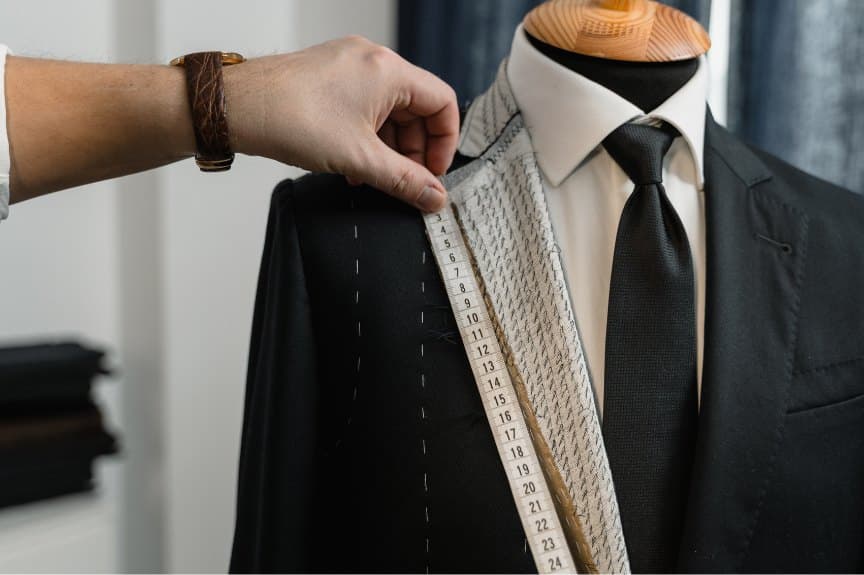
Four places never lie about a suit — the shoulders, the collar, the sleeve and the break. Here is what our cutters check at every fitting, and what you should feel the moment the jacket goes on.
4 min read
Humidity off the sea, weddings under open sky, offices chilled to a shiver — a Beirut summer asks a lot of one suit. Linen, fresco and lightweight wool each answer differently. Here is how to choose between them.
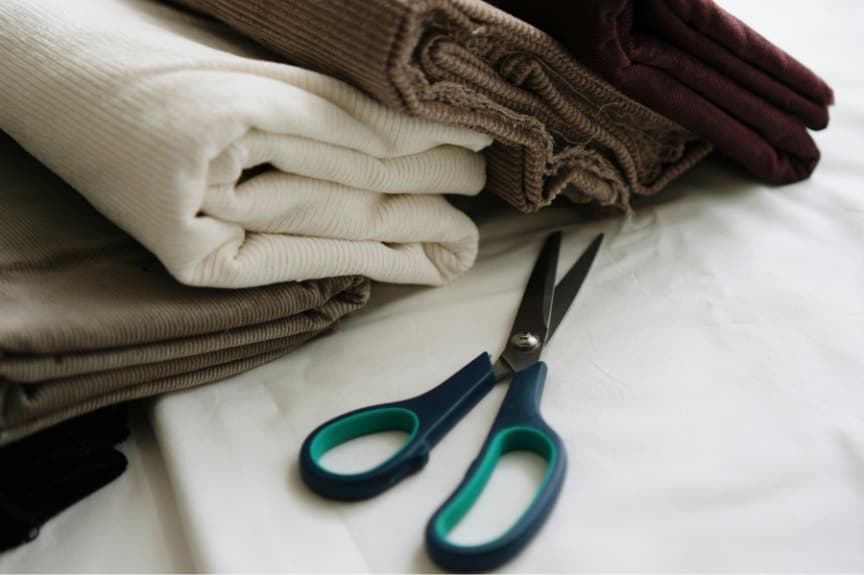
Beirut does not do gentle summers. From June to September the city runs hot and humid, the sea air clings, and a suit chosen for a European autumn becomes a penance by ten in the morning. Yet summer here is precisely when suits are most needed: weddings on rooftops and by the water, long evenings that begin formal and end on a dance floor, offices that swing between the pavement's heat and the meeting room's chill. The answer is not to abandon tailoring in the heat. It is to choose the cloth the way a local does.
Three families of fabric do most of the honest work in a Beirut summer: linen, fresco and lightweight wool. Each carries the heat differently, and each sends a different message.
Nothing breathes like linen. It carries air through the weave, dries quickly against humidity, and only improves as it softens with wear. Its famous habit — the wrinkle — is not a flaw but a signature: a linen suit is meant to look lived-in by evening, which is precisely its charm at a beach wedding or a long seaside lunch.
Choose it for daytime, for celebrations out of doors, for anywhere the dress code says elegant while the thermometer says otherwise. If pure linen feels too relaxed for your taste, a wool-and-linen blend keeps most of the coolness and calms most of the creasing — a compromise many of our summer commissions settle on.
Fresco is wool, but wool with the windows open: high-twist yarns woven so airily that you can hold the cloth up to the light and see through it. The tight twist gives it a dry, crisp hand that resists wrinkling far better than linen, while the open weave lets the sea breeze do its work. It drapes sharply, holds a crease through a full working day, and travels beautifully in a suitcase.
This is the summer cloth for men who must still look pressed at eight in the evening — business meetings, receptions, any day that runs long and formal. It is the closest thing menswear has to air conditioning you can wear.
The lighter the cloth, the more the cut matters — heat forgives nothing, and neither does a camera.
A plain-weave tropical wool in a light weight is the most versatile suit a man in Lebanon can own. It breathes respectably, recovers from a suitcase overnight, takes colour with more depth than linen ever will, and moves without complaint from an air-conditioned office into a summer evening. If one suit must cover weddings, work and travel in a single wardrobe, this is where to begin — and it remains wearable deep into the mild Lebanese autumn.
Fabric is a decision the hand makes better than a photograph ever could. Come by the atelier in Bourj Hammoud and take the swatches to the daylight, or start from the online suit designer and settle the cloth at your fitting — in store or over a video call. Summer-weight bespoke suits start from $400, cut for the body that will actually wear them — which, in a Beirut August, is the truest luxury there is.
Four places never lie about a suit — the shoulders, the collar, the sleeve and the break. Here is what our cutters check at every fitting, and what you should feel the moment the jacket goes on.
4 min read
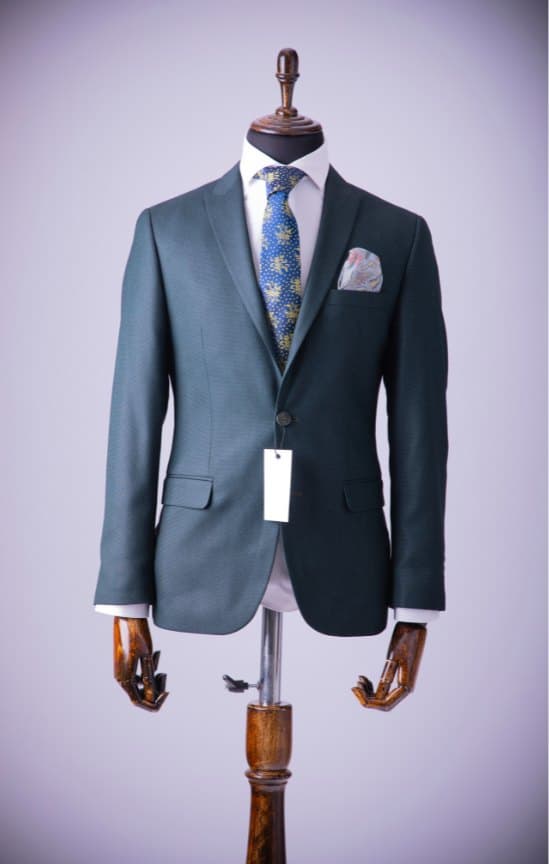
A Lebanese wedding gathers everyone — and photographs everything. Two to three weeks is our recommended lead for a wedding commission. Here is how to spend those weeks well, and what to do if you have less.
4 min read
Design your suit online in a few minutes, or book a fitting at the atelier — in store or by video call.